Cash book and bank reconciliation statement PDF: formats, examples, and a preparation guide
Use a cash book and bank reconciliation statement pdf to compare balances, record adjustments, and check your work.
Key Takeaways
A cash book tracks cash and bank activity in your records; a reconciliation explains why its bank balance may differ from the bank statement. Use a consistent process to identify timing differences, correct book entries, and document the result.
- Choose a cash book format that fits the transactions you record.
- Match cash book entries to the bank statement for the same date.
- Separate timing differences from errors or unrecorded transactions.
- Update the cash book for bank-originated transactions before reconciling.
- Keep a dated reconciliation and its supporting records together.
What a cash book and bank reconciliation statement show
A cash book and a bank reconciliation statement answer related but different questions. Your cash book records activity as your organization knows about it, while the bank statement reports activity processed by the bank. A reconciliation compares the two views and explains the difference at a particular date. That difference is often temporary, but it deserves a clear explanation.
How a cash book records cash and bank transactions
A cash book is a chronological record of money received and paid, including transactions through cash and, when maintained, a bank account. You enter receipts on one side and payments on the other, using the date and details needed to identify each transaction. Depending on the format, it may also include columns for discounts or other information. The cash book gives you a running balance based on the entries you have recorded.
What a bank reconciliation statement explains
A bank reconciliation statement (BRS) sets the book balance beside the bank statement balance and accounts for the items that make them differ. A check you issued may not have cleared, for example, or the bank may have charged a fee you have not yet entered. The statement is not a replacement for either record; it is a bridge between them. A printable reconciliation guide can help you compare balances and record adjustments in a clear format.
How the two records work together
The cash book reflects your organization’s records, while the bank statement reflects transactions the bank has processed. When you match them, you can see which entries have cleared and which remain outstanding. A reconciled balance is the result after valid timing differences and necessary book adjustments have been taken into account. For additional context, these cash and bank reconciliation examples illustrate how records can be compared.
When to prepare a reconciliation
Prepare a reconciliation regularly, commonly at the end of each month, and use the same statement date as the cash book balance you are checking. You may also reconcile more often if transaction volume, cash controls, or reporting deadlines make that useful. A steady schedule helps you notice a missing entry while its details are still easy to trace. Keep the completed statement and supporting documents together for later review.
Cash book formats and key entries
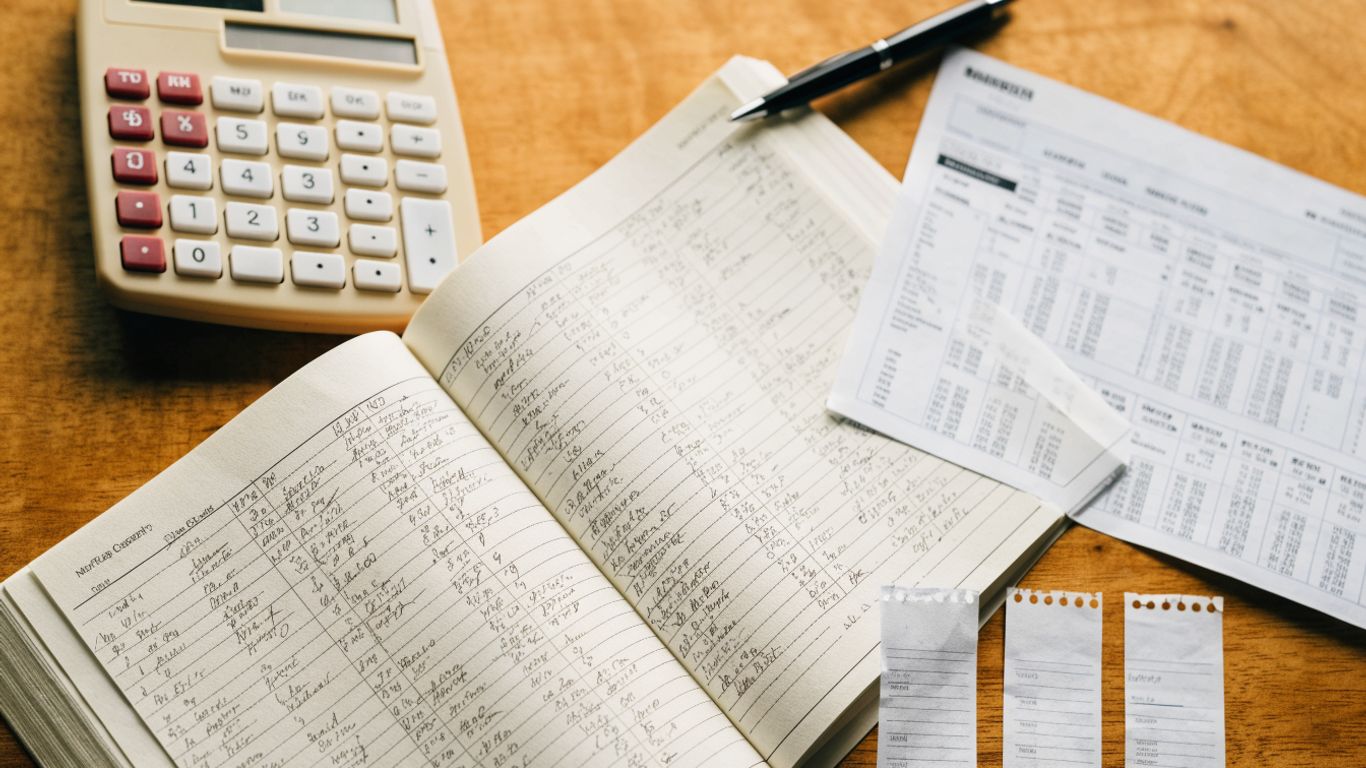
The format you choose should make it easy to record the transactions your organization actually handles. A small operation with straightforward receipts and payments may need fewer columns than one that tracks cash discounts or frequent bank activity. Whatever the layout, apply it consistently and retain enough detail to identify each entry. The following formats provide a practical starting point.
Choosing a single-column, double-column, or triple-column cash book
A single-column cash book records cash receipts and payments, with one amount column on each side. A double-column version commonly adds a bank column, so cash and bank movements can be recorded in the same book. A triple-column format may include discount columns as well as cash and bank columns. Choose the simplest layout that captures the information you need; extra columns are helpful only when you use them accurately.
Recording deposits, payments, and bank charges
Enter each deposit as a receipt and each payment as a disbursement, using the date shown on your supporting record. A check or electronic payment belongs in the cash book when you record the transaction, not only when it appears on the statement. Bank charges are different: if the bank deducts a fee before you learn about it, record it when identified and supported by the statement. A useful entry includes a clear description and amount, so you can match it later.
Posting direct deposits, standing orders, and returned checks
Some activity reaches the bank without a separate instruction being entered in your cash book at the time. Examples include a customer payment deposited directly, a standing order paid by the bank, or a returned check that reverses an expected receipt. Review the statement for these items and enter each in the cash book with the correct date, amount, and explanation. That update prevents a known bank transaction from being mistaken for a timing difference.
Correcting errors in the cash book
If you find an incorrect amount or a missing entry, correct the book using your organization’s normal accounting procedure and preserve an audit trail. Avoid changing the bank statement balance to force agreement. First identify the source document and determine whether the error is in the cash book, in a calculation, or in the way a transaction was matched. Then recalculate the book balance and note what you corrected.
Bank reconciliation statement format
A useful statement makes the starting point, adjustments, and final balance easy to follow. You can begin with either the bank statement balance or the cash book balance, but you must apply each adjustment in the direction that brings the starting balance toward the other record. Include the reconciliation date and identify the account. Clear labels matter, especially when another person will review your work later.
Selecting a starting balance
You may start from the cash book balance or from the bank statement balance; either approach works if you use the appropriate adjustments. The table shows the usual treatment of common items when starting from the bank statement balance. Always check the item’s actual status and avoid counting it twice.
| Item when starting from bank balance | Treatment | Reason |
|---|---|---|
| Deposit in transit | Add | It is in the books but not yet on the statement |
| Outstanding check | Subtract | It is in the books but has not cleared the bank |
| Bank fee missing from the cash book | Update cash book | The bank has already deducted it |
| Direct deposit missing from the cash book | Update cash book | The bank has already added it |
These are common treatments, not a substitute for checking the entries and the statement date. If you start from the cash book, reverse the bank-side timing adjustments as needed, and record bank-originated items in the books before calculating the final amount.
Listing items recorded by the bank but not yet in the cash book
Bank fees, interest, automatic payments, and direct deposits may appear on the statement before you record them. These items are not merely timing differences once they are known; they require an appropriate cash book entry. List each one, check its amount and date, and update the books before you calculate the adjusted cash book balance. Keep the statement line or other support available to explain the entry.
Listing items recorded in the cash book but not yet by the bank
A deposit you recorded near the statement date may still be processing, and a check you issued may not yet have been presented. List these as outstanding items with enough detail to identify them, such as the deposit date or check number. They explain why the two records differ on that date, but they do not automatically call for a new cash book entry. Check the next statement to confirm when they clear.
Presenting the adjusted balance clearly
Show the opening balance, each adjustment, and the resulting balance in a readable sequence. State whether each item increases or decreases the starting amount, and keep book corrections separate from bank-side timing items. The final adjusted balances should agree when all valid differences have been accounted for. If they do not, leave the reconciliation open and investigate rather than hiding the difference in an unexplained adjustment.
How to prepare a bank reconciliation statement
A reliable reconciliation is a repeatable comparison, not a guess at why two totals differ. Start with records for the same account and date, then match individual transactions before calculating adjustments. If you work from a digital or scanned bank statement PDF, Know Your Bank Statement extracts transaction data into structured Excel, CSV, or JSON files, including fields such as dates, descriptions, debits, credits, and balances. Review any extracted data against the original statement before relying on it.

Gather the cash book, bank statement, and supporting records
Collect the cash book for the period, the corresponding bank statement, and documents that clarify less familiar transactions. This gives you a dependable basis for matching entries and following up on anything that does not line up. A short preparation sequence helps keep the work organized:
- Confirm the account and statement period match the cash book.
- Gather deposit records, check details, and payment confirmations.
- Keep invoices, receipts, and bank notices available for reference.
- Note the opening and closing balances shown in both records.
Once the records are together, you can work through the transactions in date order and return to the same supporting documents when a question arises.
Match transactions and mark cleared items
Compare the date, amount, and description of each cash book entry with the bank statement. Mark items that match in both records, using a consistent tick or status so you can distinguish cleared entries from outstanding ones. Some descriptions may differ slightly, so use the amount and supporting records as well as the wording. A bank statement PDF conversion workflow can be useful when you need transaction data in a structured format, but you should still verify the result against the source document.
Identify timing differences and recording errors
For every unmatched item, ask whether it is a legitimate timing difference, an unrecorded bank transaction, or a mistake. A recent deposit or unpresented check may clear in a later period. A bank charge absent from your records calls for a cash book update, while an amount entered incorrectly needs correction under your accounting procedure. Record the explanation as you find it rather than relying on memory at the end.
Adjust the cash book before calculating the reconciled balance
Enter bank-originated items that are missing from your cash book, such as fees, interest, and direct payments, after confirming their details. Then calculate the corrected book balance. Next, apply the outstanding deposits and checks to the bank statement balance, following the sign convention you selected. The two adjusted balances should agree; if not, revisit unmatched items and arithmetic.
Common differences and how to resolve them
A difference between the two balances is a signal to investigate, not proof that either record is wrong. Many differences result from the time it takes for a transaction to appear in both places. Others point to a missing entry, a duplicate, a data-entry error, or a bank-side issue. Work through each item on its own evidence and document the explanation.
Outstanding checks and deposits in transit
An outstanding check has been recorded as a payment in the cash book but has not yet cleared the bank. A deposit in transit has been recorded by you but does not yet appear on the statement. Both are timing differences, so they normally adjust the bank side of the reconciliation rather than requiring a second cash book entry. If an item remains outstanding for an unusually long time, check the original transaction and follow your organization’s procedure.
Bank fees, interest, and automatic payments
A bank fee or automatic payment may reduce the statement balance before you enter it in the cash book; interest or a direct deposit may increase it. Once confirmed, post the transaction to the books and update the cash book balance. This distinction helps you avoid treating a known, valid transaction as if it were simply waiting to clear. Keep the statement detail or notice as support for the entry.
Duplicate entries, omissions, and transposed amounts
If an item appears twice in one record, check its source before removing or reversing anything. A missing transaction may be an omission, while a transposed amount can look close enough to evade a quick scan. Compare the entry with the original check, deposit record, invoice, or payment confirmation, then correct the cash book as appropriate. When converting a statement PDF, Know Your Bank Statement supports extraction from digital and scanned files through parsing and OCR; extraction quality depends on the statement’s quality and layout, so check the resulting transactions against the original.
When to contact the bank or investigate further
Contact the bank when a transaction on the statement is unfamiliar, appears duplicated by the bank, or cannot be explained by your records and supporting documents. Before doing so, confirm the account, date, amount, and transaction details, and keep a note of your inquiry. If the difference is internal, trace it back through the cash book and source documents. Do not carry an unexplained adjustment forward without recording why it remains unresolved.
Worked example and using the PDF
A small example makes the direction of each adjustment easier to see. Suppose your cash book shows $4,820 before reconciliation, while the bank statement closes at $4,990. The statement includes a $25 bank fee, a $400 direct customer deposit, and $5 in interest that have not yet been entered in the cash book. There is also a $510 deposit in transit and a $300 outstanding check.
Compare a sample cash book with a bank statement
Begin by comparing the two balances and marking what appears in both records. The bank fee, direct deposit, and interest are visible on the statement but missing from the cash book, so they require book entries. The deposit in transit and outstanding check are in the cash book but not on the statement. Keep those two groups separate: one updates your records, while the other explains processing timing.
Reconcile the differences step by step
First adjust the cash book for the items the bank has already processed: subtract the $25 fee, add the $400 deposit, and add $5 interest. The adjusted cash book balance is $5,200. Then adjust the statement balance for the timing items: add the $510 deposit in transit and subtract the $300 outstanding check. That also produces $5,200.
Check that the adjusted balances agree
The adjusted balances agree at $5,200, so the listed items explain the difference in this example. If your totals did not agree, check the signs, calculations, statement date, and unmatched transactions before concluding that the records are complete. You can also review a bank reconciliation statement overview for another explanation of the format and process. Save a note of the adjustments so the next person reviewing the reconciliation can follow how you reached the result.
Save, print, and reuse the PDF template reliably
A PDF template can provide a consistent place to record the date, starting balance, adjustments, and final figure. If you use a blank form, make sure it leaves room for descriptions and references to the supporting records; save a dated copy for each period rather than overwriting the prior reconciliation. Know Your Bank Statement offers a workflow to upload a digital or scanned bank statement PDF, review extracted transaction data, and download it in Excel, CSV, or JSON. The structured data can support your reconciliation work, but it does not replace matching, review, or the reconciliation statement itself.
Conclusion
A clear reconciliation starts with reliable records and careful matching. Record bank-originated activity in the cash book, separate timing differences from errors, and show how each adjustment leads to the final balance. Save the supporting records with the completed statement so you can explain the result later.
Frequently Asked Questions
What is a cash book?
A cash book is a record of cash receipts and payments, often including transactions through a bank account. It helps you track the balance based on entries recorded by your organization.
What does a bank reconciliation statement show?
It compares a cash book balance with the bank statement balance and explains differences through timing items, unrecorded transactions, or corrections. The adjusted balances should agree when the differences are properly accounted for.
How often should you prepare a bank reconciliation?
Many organizations prepare one monthly, after receiving the relevant bank statement. Your transaction volume and reporting needs may call for a more frequent schedule.
What is a deposit in transit?
A deposit in transit is a deposit already recorded in your books that has not appeared on the bank statement by the reconciliation date. It is generally treated as a timing difference.
What is an outstanding check?
An outstanding check is a payment recorded in the cash book that the bank has not yet processed. It is usually listed as an adjustment to the bank statement balance.
Should bank fees be included in the cash book?
Yes. Once you identify and verify a bank fee on the statement, record it in the cash book so your records reflect the bank’s charge.
What should you do if the adjusted balances do not agree?
Recheck the statement date, arithmetic, transaction matches, and outstanding items. Trace unexplained amounts to supporting records, and contact the bank if a statement transaction remains unfamiliar or appears incorrect.