The Co-operative Bank UK London statement: How to access and understand your account statement
A statement is tied to your account and the period it covers, not to a city-specific format. Start with the document recipient’s requirements, then use the...
Key Takeaways
A statement is tied to your account and the period it covers, not to a city-specific format. Start with the document recipient’s requirements, then use the official banking channels to find or request the right record.
- A London address does not usually mean you need a special London-format statement.
- Check the account and statement dates before downloading or requesting a document.
- Statement access and available periods can vary by account and channel.
- Review names, dates, balances, and transactions before sharing a statement.
- Keep the original statement intact; ask the recipient before redacting information.
What a London statement search may mean
The phrase “The co-operative bank UK, london statement” may refer to a statement for an account held by someone who lives in London, or to a document needed by an organization in the city. The practical question is usually which account, dates, and document format the recipient requires. A bank statement records account activity; it is not generally a separate city-specific document. Clarifying the request first can save you from ordering or sending the wrong record.
Check whether you need a statement for a London address
If an application asks for a statement for a London address, check whether it means proof that you live at that address or simply a record from your bank. These are different uses: the recipient may need to see your name and address, or may want to review transactions or income. Ask what dates are acceptable and whether a downloaded statement is suitable. Do not assume that living in London changes the type of statement you need.
Understand that statements are linked to your account, not a city-specific format
A statement is associated with an account and a defined period, rather than a special format for a particular city. Your address may appear on the document, but the recipient’s rules determine whether it serves their purpose. If the request is unclear, ask the organization to explain which details it needs to verify. That answer can help you choose the right account record without sharing more than necessary.
Identify the account and date range you need
Before searching, note the account type and the dates requested. A current account, savings account, or credit card record may be relevant in different situations, so match the document to the request rather than choosing the first available file. If you plan to organize transaction information after you obtain a PDF, Know Your Bank Statement converts digital or scanned bank statement PDFs into structured Excel, CSV, or JSON files. Keep that separate from obtaining the original statement: first identify and retrieve the right source document.
| Before you search | What to confirm |
|---|---|
| Account | Which account or card the request concerns |
| Period | The exact start and end dates needed |
| Purpose | Whether the document is for address, income, or activity checks |
| Format | Whether the recipient accepts a digital statement or needs paper |
Once you have these details, you can look for a matching statement or ask the recipient to clarify any missing requirement. A precise date range also makes it easier to spot whether a period is unavailable online and needs a separate request.
How to access your statement online
Use The Co-operative Bank’s official website rather than a link in an unexpected message or search advertisement. The exact screens and labels can change, so follow the current instructions shown after you sign in. You will generally need to know which account and period you are looking for before opening the statement area. If you have not used online banking before, use the bank’s official guidance for account access.
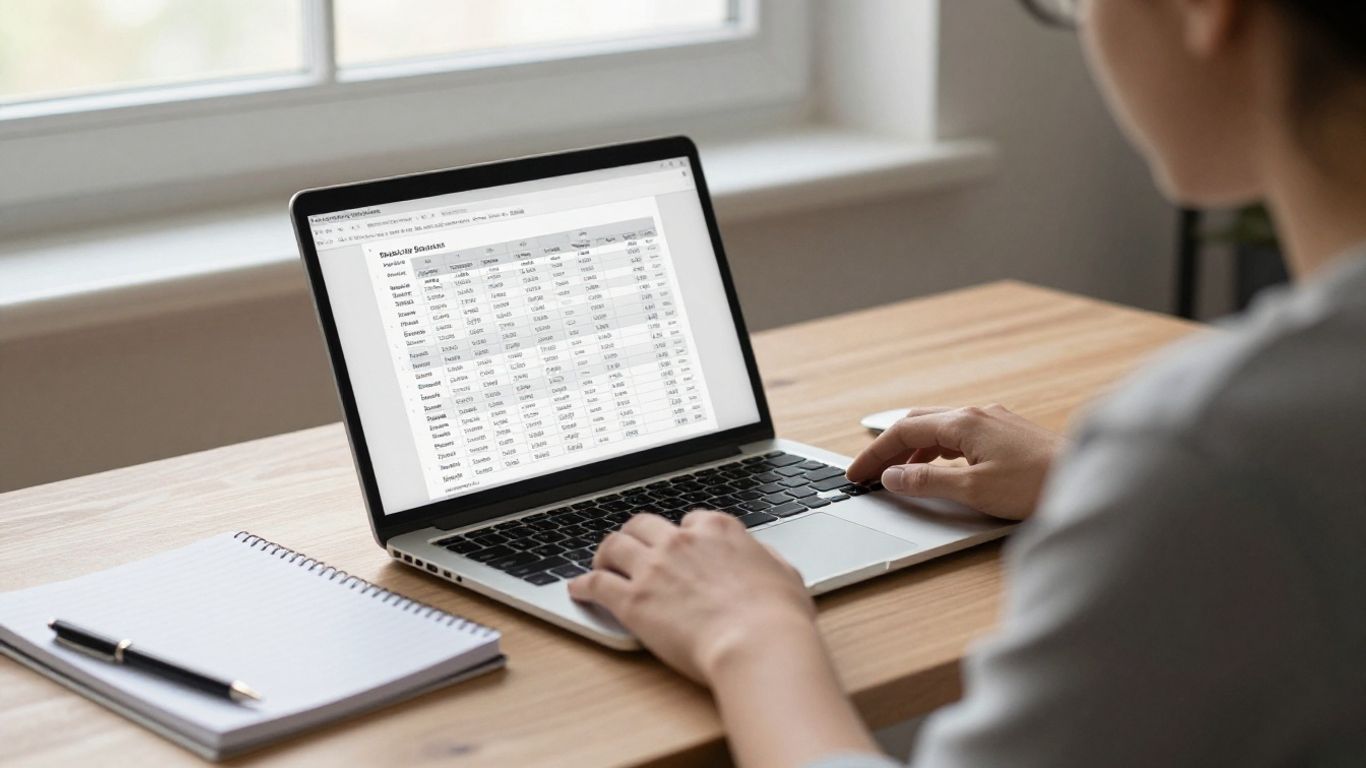
Sign in through The Co-operative Bank’s official website
Open the bank’s official website directly and choose its online banking sign-in option. Enter your credentials only on the official site, and follow any security prompts it presents. If a message asks you to sign in through an unfamiliar link, avoid using that link and navigate to the site independently. Never share your password or one-time security details with someone who contacts you unexpectedly.
Find statements in your account’s document or statements area
After signing in, select the relevant account and look for an area labelled statements, documents, or a similar term. Menu names can vary, so use the on-screen help if the location is not obvious. Make sure the account shown matches the one you need; it is easy to overlook a second account or a card record. A transaction list may show recent activity without being the formal statement document requested.
Choose a period and download the available file
Select the requested statement period and check the dates before downloading the available file. Save it somewhere private using a clear filename that helps you identify the account and period later. Keep the original PDF unchanged if you need to submit it as an official record. If you want to watch a general walkthrough before navigating online banking, use it as orientation rather than relying on it for current menu instructions.
How to find statements in the mobile app
The official app can be a convenient place to check account information when you are away from a computer. Sign in through the app you obtained from an official app store, and confirm the account before looking for documents. App layouts can change, and not every task has the same labels across devices. If you need a statement for a formal application, verify that the file or record you find meets the recipient’s requirements.
Sign in using the official Co-operative Bank app
Use the official Co-operative Bank app and sign in with the details and security method set up for your account. The bank’s app information describes account access and statement viewing among its features; current availability may depend on the account and app version. If the app asks you to update or verify your access, follow its official prompts rather than acting on an unsolicited request. You can also check the bank’s information about its mobile banking app for current app details.
Look for account documents or statement history
Once signed in, choose the relevant account and look for statements, documents, or a statement-history option. A transaction search and a statement are not necessarily the same thing: the former may help you locate activity, while a statement covers a particular period. Open the document and check its dates before you save or share it. If the record is not available in the app, try the official website or ask the bank what options apply.
Check which statement periods are available in the app
Available periods may differ from what you expect, so check the dates shown rather than assuming the app contains every record you need. If the requested month is missing, look for another official access route or ask about a copy statement. The bank’s current online information can explain which options are offered, and the recipient can confirm whether an alternate period will work. Do not substitute a transaction screenshot for a statement unless it is explicitly accepted.
How to request or manage paper statements
Paper statements can be useful when you need a physical copy or do not have the required document available online. Before requesting one, confirm the account and period, then check that the bank has your current postal address. If a statement has not arrived, allow for delivery time before assuming it was never sent. Keep any request or response details with your records in case you need to follow up.
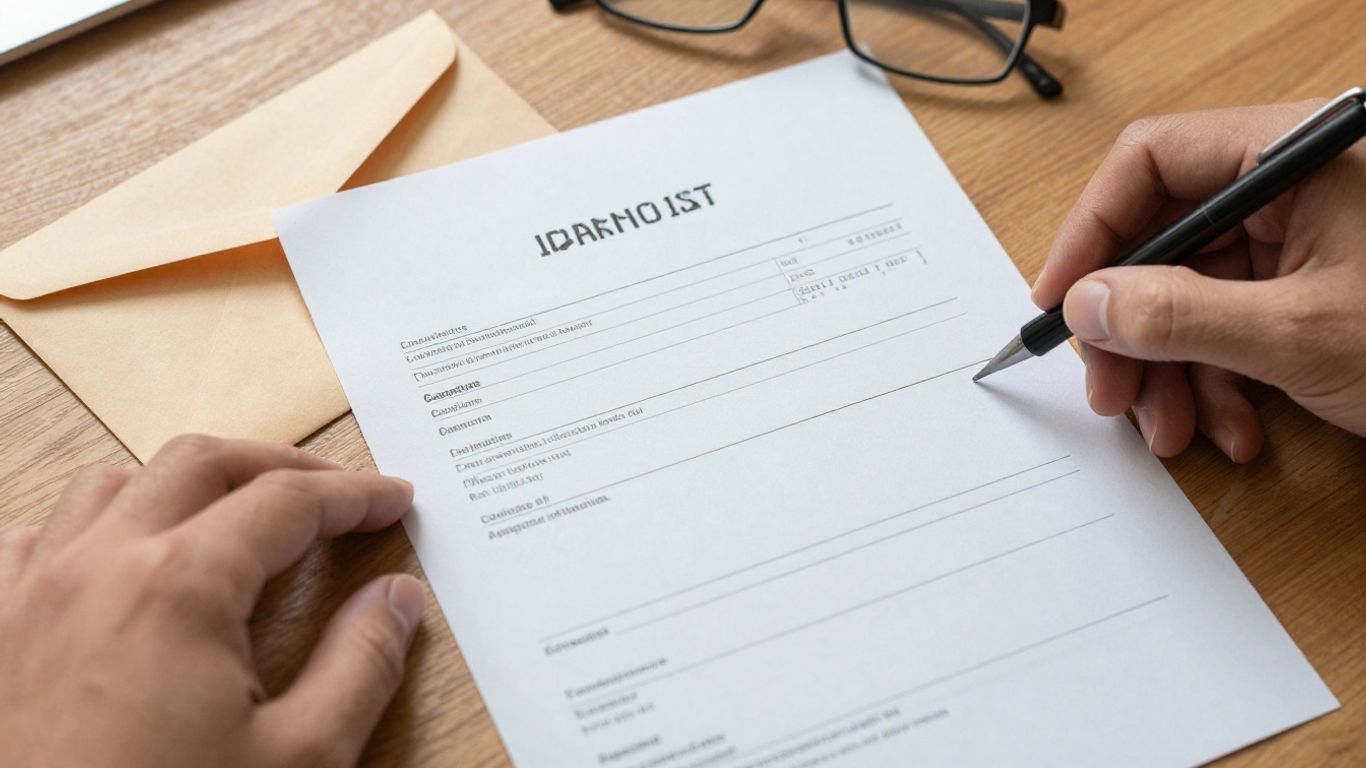
Confirm the mailing address registered to your account
Check the address held for the account through an official banking channel. If you have moved, update your details using the bank’s stated process and ask whether the change applies to the account you need. An old address can explain why a paper statement did not reach you, but do not assume the bank has updated it across every account. Confirm the effective address before requesting another copy.
Check whether paper statements are enabled for your account
Review your account’s delivery settings or contact the bank to ask whether paper statements are being sent. Some accounts may have digital delivery settings, so verify what is in place rather than relying on an old envelope or message. If you need paper for a specific purpose, ask whether the bank can provide it and what information is needed to make the request. The recipient may accept a digital original instead, so check before waiting for post.
Contact the bank if a statement is missing or sent to an old address
If the document is missing, explain which account and statement period you need and whether you are asking for a replacement or a change to future delivery. Use the bank’s official contact route, such as the statement request contact options, and confirm any applicable process or charges with the bank before placing an order. Keep your explanation concise and avoid sending full account credentials in ordinary email. A clear request can help the bank identify the right record.
How to read the details on a bank statement
A statement is easier to review when you check its identifying details first, then compare the balance and activity with your own records. Make sure you are looking at the right account and period before drawing conclusions from a transaction. Entries may use abbreviations or descriptions that are not immediately familiar, so compare dates and amounts with receipts or other records. Careful review is useful whether you are checking your own spending or preparing information for a finance workflow.
Check the account name, number, and statement dates
Start by confirming that the name and account details correspond to the account you intended to review. Check the statement start and end dates as well; a document for the wrong month may omit the activity a recipient needs to see. Treat account identifiers as sensitive information when storing or sharing the file. If the details appear inconsistent, verify them against the original statement rather than editing the document.
Review opening and closing balances
The opening balance shows the position at the beginning of the covered period, while the closing balance shows it at the end. Consider those figures alongside deposits, payments, and other entries during the period. For repeated recordkeeping, Know Your Bank Statement can convert statement PDFs into structured files, with transaction data such as dates, descriptions, debits, credits, and balances. Conversion gives you data to review; compare it with the original statement, since extraction quality depends on the document’s quality and layout.
Match payments, deposits, and fees to your records
Compare statement entries with receipts, invoices, payment confirmations, or bookkeeping records. A compact review sequence can help you keep the original document as your reference while checking each entry:
- Match the transaction date and amount to your records.
- Confirm whether the entry is a payment, deposit, or fee.
- Investigate unfamiliar descriptions or amounts before categorizing them.
- Recheck totals against the statement before using the data elsewhere.
For a broader explanation of statement fields and account activity, see this bank statement guide. If you use Know Your Bank Statement to structure transactions for reconciliation, review the exported data against the original PDF before relying on it. The spreadsheet can make sorting easier, but it does not replace the source document.
How to use a statement as proof of address or income
A bank statement may be requested as supporting documentation, but acceptance depends on the organization reviewing it. One recipient may focus on your current address, while another may ask for evidence of deposits over a particular period. Check the required dates and acceptable formats before submitting anything. If you are unsure, ask whether a downloaded statement is acceptable and what information must remain visible.
Check the recipient’s requirements for statement date and format
Ask how recent the statement must be, which period it should cover, and whether a digital or paper document is accepted. For proof of address, confirm that the address needs to appear on the statement; for income, ask whether the recipient needs to see particular deposits or a longer period. A generic transaction list may not meet the requirement. Getting these details first can prevent a delay or a second submission.
Use an official document and avoid altering its contents
Submit the original statement issued through the bank’s official channel when the recipient asks for a bank statement. Do not change dates, amounts, names, or other details. Know Your Bank Statement converts digital or scanned statement PDFs into structured Excel, CSV, or JSON files, which can support transaction review; those converted files are not a substitute for an official statement when proof is requested. Keep the original available so the recipient can review the source document if needed.
Redact sensitive information only if the recipient allows it
Ask before hiding any details, since a recipient may reject a document that has been changed or obscured. If redaction is permitted, follow its instructions and retain an untouched copy for your own records. Share the statement through the recipient’s approved secure method, and avoid sending it through an unverified channel. Only provide the information needed for the stated purpose.
What to do if you cannot find or verify a statement
A missing statement can result from searching the wrong account, checking the wrong dates, or using a channel that does not show the record you need. Work through those possibilities before requesting a replacement. If you are checking a document someone sent you, compare it with a copy obtained directly from your own official account access. Do not rely on a file simply because it looks familiar.
Check your sign-in details and account access
Make sure you are signing in through the official website or app and using the access details associated with the correct account. If access is locked or you cannot complete a security check, follow the bank’s official recovery instructions. Avoid sharing security codes with anyone who calls or messages you. Once access is restored, return to the account and period you need rather than downloading the first record shown.
Review available statement periods and delivery settings
Check the period filters and delivery preferences for the account. A statement may not appear where you first looked, or it may need to be requested if it is not available through that channel. If you expected a paper copy, confirm the registered address and delivery settings. Keep a note of the dates you checked and any request you made, which makes follow-up more straightforward.
Contact The Co-operative Bank through its official channels
If the statement remains unavailable or you need to verify a document, contact the bank using details from its official website or app. State the account type and period, and ask whether the record can be reissued or checked. Do not use contact details supplied in a suspicious message, and never provide a password or one-time code. The bank can confirm its current process and any requirements that apply to your request.
Conclusion
A useful statement search starts with the account, dates, and purpose of the request—not the city in the search phrase. Find or request the record through official channels, check its details carefully, and keep the original unchanged when you share it. When a statement is unavailable or a requirement is unclear, verify the next step with the bank or the document recipient.