Credit card statement: how to read it, understand your balance, and avoid costly mistakes
Learn to read a credit card statement, check balances and fees, and manage payments to avoid costly mistakes.
Key Takeaways
A credit card statement is a monthly snapshot of your account, but it is not always the same as the balance you see today. A careful review can help you catch mistakes, understand charges, and pay on time.
- Check the billing dates, statement balance, minimum payment, and due date.
- Compare each transaction with your own purchase and payment records.
- Review fees, interest, and any unfamiliar or recurring charges.
- Paying the statement balance in full by the due date can help you avoid interest on eligible purchases, depending on your account terms.
- If you spot an error, document it and contact your issuer while continuing to meet required payments.
What a credit card statement is and when it arrives
A credit card statement is a record of activity on your account during a particular billing period. It gathers purchases, payments, credits, fees, and other account details in one place. Knowing the dates it covers helps you make sense of which activity appears on the statement and what may have happened since it closed.
How the billing cycle determines your statement period
Your billing cycle is the recurring period in which the issuer records account activity for a statement. The opening and closing dates appear on the statement, though the period may not match a calendar month. A purchase made just after the closing date, for example, may show up on the next statement rather than the one you are reviewing. For an additional overview of statement sections and cycle dates, see this credit card statement guide.
When your issuer generates and delivers the statement
After the billing cycle closes, your issuer prepares a statement and provides it according to your account settings, often online or by mail. The exact delivery timing and format can vary, so check your issuer’s notices if a statement seems late or is not where you expect it. You may receive an alert when a new statement is ready, but it is still worth checking the account directly rather than relying only on email notifications.
How a statement differs from your current account balance
A statement records your account as of its closing date; your current balance can include activity posted afterward. That means a payment or new purchase made after the statement closed may change the current balance without changing the amount shown on the completed statement. If you are organizing separate bank statement records for bookkeeping, Know Your Bank Statement extracts bank transactions from PDFs into structured data; that is a bank-statement workflow, distinct from reviewing a credit card statement.
How to read the key sections of your statement
Statements can look busy, but the same few details are useful starting points: the amount owed at the close of the cycle, the minimum due, the due date, and an account activity summary. Issuers may arrange these items differently, so scan the page rather than assuming they will appear in one standard location. A quick orientation helps you focus on what needs attention first.
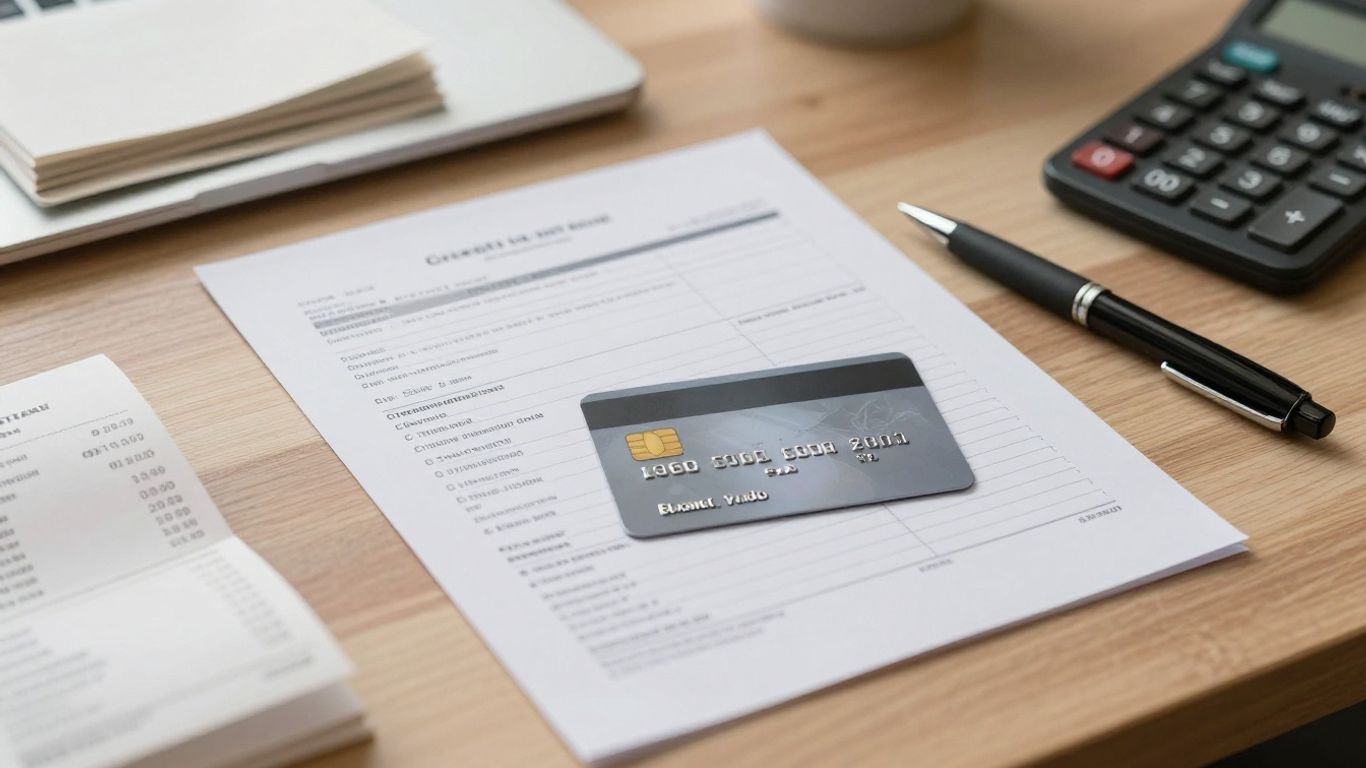
Where to find your statement balance and minimum payment
Look for a payment information box or account summary near the beginning of the statement. The statement balance generally reflects what was owed at the end of that billing period, while the minimum payment is the smallest amount the issuer requires by the due date to keep the account current. The minimum is not necessarily enough to avoid interest or pay down the balance quickly, so note both figures before deciding what to pay.
How to interpret your credit limit and available credit
Your credit limit is the maximum amount of credit available on the account under its terms, while available credit is the portion that remains unused. New purchases, pending activity, and payments that have not yet posted can affect what the issuer shows as available. Treat it as a changing account figure, not as an extra amount you need to spend or a substitute for checking your balance.
What the account summary reveals about recent activity
The account summary offers a compact view of how the balance changed during the period. It may show the previous balance, payments and credits, purchases, fees, interest, and the new statement balance. The table below illustrates how to read common summary lines; labels and presentation can vary by issuer.
| Statement line | What it generally tells you | What to check |
|---|---|---|
| Previous balance | Amount carried into the cycle | Compare it with the last statement |
| Payments and credits | Payments, refunds, or adjustments applied | Confirm expected amounts and timing |
| Purchases and fees | Activity added during the cycle | Match charges and review fee details |
| New balance | Amount owed at the statement close | Compare with the amount you plan to pay |
Read the lines together rather than treating the new balance as an isolated number. If the activity does not seem to explain the change, look through the detailed transactions and contact the issuer about anything you cannot reconcile.
Where to find payment instructions and issuer disclosures
Payment instructions usually identify accepted payment methods, the due date, and any cutoff time that applies to a payment. The statement may also contain notices about rates, fees, or account terms, sometimes in a separate disclosure section. Read notices that mention a change to your account, and use the issuer’s own instructions if you are unsure how or when a payment must be submitted.
How to review transactions and fees
A line-by-line review can reveal both ordinary mistakes and charges that need a closer look. Compare the statement with receipts, order histories, payment confirmations, and any notes you keep about shared or work-related purchases. For a general description of how statements present activity, this credit card activity overview offers another useful reference.
Match purchases, refunds, and credits to your records
Start with the transaction date, merchant description, and amount, then compare them with your own records. A merchant’s billing name may differ from the name you remember seeing at checkout, and a refund may take time to appear after it is issued. Keep a note of amounts or dates that do not line up, instead of assuming a difference is an error or dismissing it without checking.
Identify recurring charges and unfamiliar transactions
Small subscription charges can be easy to miss, especially when they arrive monthly or annually. Review unfamiliar entries against receipts, memberships, family purchases, and trial periods before deciding they are unauthorized. A short review routine can make those checks easier to repeat:
- Mark charges you recognize and confirm their amounts.
- Check recurring entries against subscriptions and renewal notices.
- Compare refunds and credits with merchant confirmations.
- Set aside unexplained transactions to investigate with the issuer.
Afterward, follow up on the items you set aside and save any relevant confirmation numbers or messages. For a separate bank-statement workflow, Know Your Bank Statement converts bank statement PDFs into Excel, CSV, or JSON; it is not a claim about converting credit card statements.
Check cash advances, balance transfers, and foreign transactions
Cash advances and balance transfers may be listed apart from purchases, and their terms can differ from the terms for ordinary spending. Foreign transactions may include a conversion or other charge depending on your account terms and the transaction. Review the amount, transaction description, and any associated fee, then consult your card agreement if the treatment is not clear.
Review late fees, annual fees, and other charges
Look for fees as well as purchases. An annual fee may be expected, while a late fee or other charge may deserve a closer check if you believe the account was handled differently than the terms describe. Issuers may show fees and interest separately in the activity summary and transaction detail, so compare both areas before asking for clarification.
How balances, interest, and minimum payments work
The amounts on a statement can answer different questions: what was owed at the end of the cycle, what is owed now, and what amount must be paid by the due date. Interest calculations depend on the account’s terms and how balances are handled during the billing period. Taking a moment to distinguish these figures can prevent a payment decision based on the wrong number.
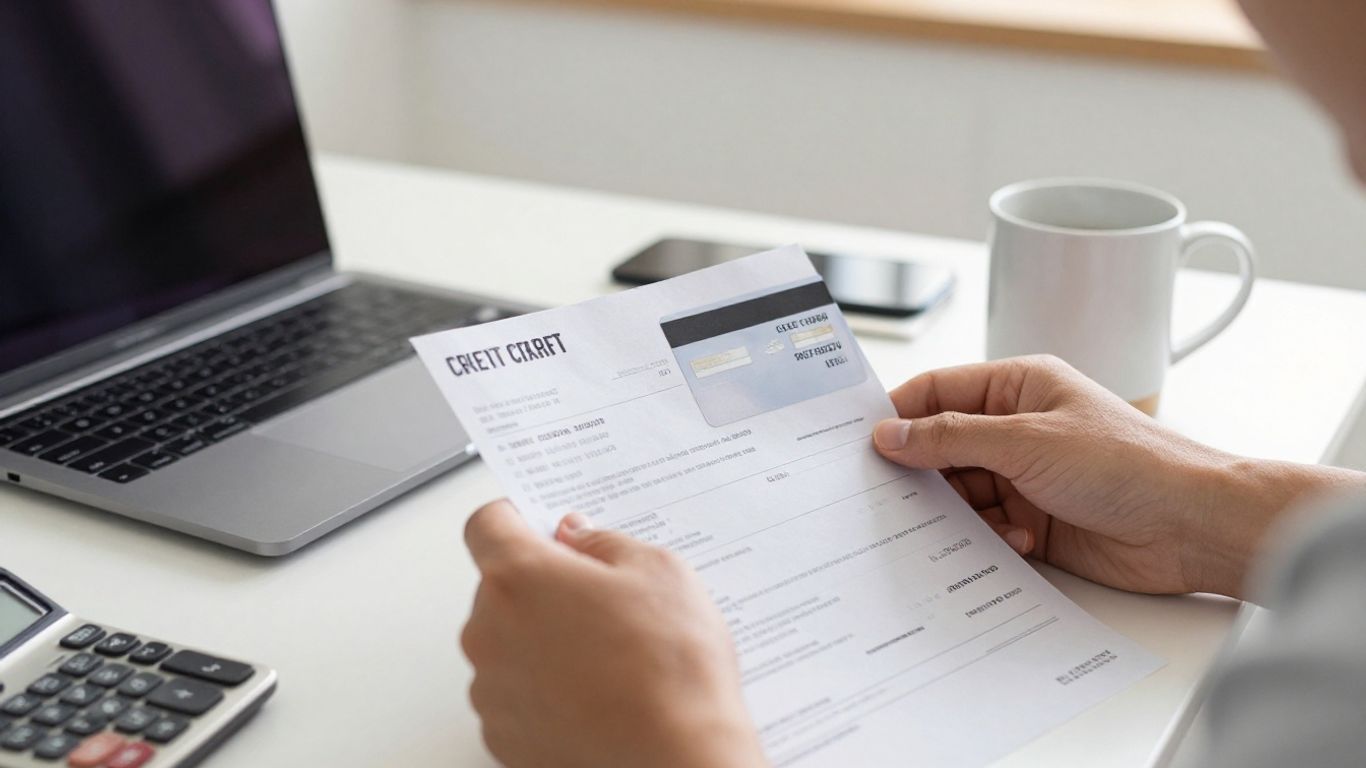
Understand the difference between a statement balance and a current balance
The statement balance is fixed to the closing date printed on the statement. The current balance is a more up-to-date account figure and may reflect purchases, payments, or credits posted after that date. If you pay the statement balance, you are addressing the amount billed for that cycle; if you pay the current balance, you may also be covering later activity. Check the account before sending a payment if you want to account for recent transactions.
See how your APR and average daily balance affect interest
Your annual percentage rate (APR) describes the yearly cost of borrowing, but the interest charged for a billing period depends on the balance and calculation method in your card agreement. Many issuers calculate interest using daily balances, which can make both the balance carried and the number of days it remains unpaid matter. Different balance types may have different APRs, so review the rate disclosures and the interest section of your statement rather than assuming one rate applies to everything.
Learn when the grace period applies—and when it may not
A grace period is the time in which you may avoid interest on eligible new purchases by paying the required balance in full by the due date. Whether one applies, and to which transactions, depends on your card terms and whether you carry a balance from month to month. Cash advances and some other balance types may be treated differently. Check the agreement or ask the issuer if you are not sure how your account handles them.
Understand how paying only the minimum affects payoff time
The minimum payment helps keep the account current when paid on time, but paying only that amount can leave a balance to accrue interest and may take much longer to clear. The statement may include an estimate of payoff time or interest based on minimum-only payments. Use it as a reminder to compare payment options, not as a promise of the exact time required if your balance or payment habits change.
How to manage payment dates and avoid interest
A reliable payment routine starts with the statement’s due date and an amount that fits your budget. The date and the balance you choose to pay are related but separate decisions: paying at least the minimum on time addresses the payment requirement, while paying more can reduce the balance more quickly. Reviewing your account around statement time can help keep both decisions visible.
Find the due date and payment cutoff time
Locate the due date in the payment information section and check the issuer’s payment instructions for any cutoff time or processing details. A payment submitted near the deadline may not be treated the same way across all payment methods. Allow time for processing, and confirm that the payment posts to the intended account if you use an external bank or a scheduled transfer.
Choose between paying the minimum, statement balance, or full current balance
The minimum is the required floor stated on the bill; paying only that amount can leave more debt to repay. Paying the statement balance by the due date is commonly the target for avoiding interest on eligible purchases when the account has a grace period, subject to the card terms. Paying the full current balance may also cover transactions made after the statement closed. Choose based on your account terms and cash flow, and make sure the amount you select is actually submitted.
Set up autopay without overlooking account changes
Autopay can help you avoid forgetting a regular payment, but it still needs occasional attention. Confirm which amount it will pay, which account it will draw from, and when the payment is scheduled. Check that the linked funding account remains active and has enough funds, and review the statement for rate, balance, or due-date changes that could affect your plan.
Know what happens when a payment is late or returned
A late or returned payment can lead to fees or other account consequences under the card’s terms. If you realize a payment did not go through, contact the issuer promptly to ask what options are available and check the account for the amount now due. For a returned payment, also confirm the funding account details and address the reason the payment failed before trying again.
What to do if your statement has an error
An unfamiliar charge, incorrect amount, or missing credit is easier to investigate when you keep clear records. First check whether the transaction is pending, whether the merchant uses another billing name, or whether a refund is still being processed. If something remains unexplained, use the issuer’s dispute instructions and keep track of the dates and documents involved.
Document the charge or billing issue
Write down the transaction date, description, amount, and why you believe it is incorrect. Save receipts, order confirmations, refund notices, and any messages with the merchant that may help explain the issue. Keep a copy of the statement or mark the relevant line in your own records, while protecting account details when sharing documents.
Contact your card issuer and follow its dispute process
Use the contact method and dispute steps provided by your issuer, and explain the issue clearly. Give the issuer the information it requests and note when you contacted it, what you submitted, and any response or case reference. For other finance records, Know Your Bank Statement extracts transaction data from digital or scanned bank statement PDFs into structured formats; that bank-statement capability is separate from a card issuer’s dispute process.
Keep making required payments while the issue is reviewed
Do not assume that reporting a charge automatically changes the amount you must pay. Follow the issuer’s instructions about disputed amounts and continue paying at least the required amount on time unless the issuer tells you otherwise. This helps you avoid overlooking other charges that are not part of the dispute while the review is underway.
Track the outcome and verify the correction on a later statement
Keep the issuer’s decision and any related messages with your records. If a correction, credit, or adjustment is made, check a later statement to confirm that it appears as expected and that any related fees or interest are handled appropriately. If the issue remains unresolved or the adjustment does not match what you were told, contact the issuer again with your notes and supporting documents.
Conclusion
A credit card statement is easier to manage when you check its dates, compare the activity with your records, and understand which balance and payment amount you are looking at. Make a habit of reviewing fees and unfamiliar charges, then follow up promptly when something does not add up. A few minutes of attention each cycle can help you stay informed and avoid preventable surprises.
Frequently Asked Questions
What does a credit card statement show?
It typically lists the billing period, balances, payments, purchases, credits, fees, interest, payment due date, and minimum payment, though layout and labels vary by issuer.
When should I receive my credit card statement?
Your issuer generally prepares a statement after the billing cycle closes and delivers it using your selected method. Check your account settings and issuer notices for the timing that applies to you.
Is my statement balance the same as my current balance?
No. The statement balance reflects the account at the billing cycle’s close, while the current balance may include later transactions and payments.
Do I have to pay the full statement balance?
You generally need to pay at least the minimum by the due date to meet the payment requirement. Paying the statement balance in full may help you avoid interest on eligible purchases if your account terms provide a grace period.
Why is my available credit lower than I expected?
Recent purchases, pending transactions, or payments that have not posted can affect available credit. Check your account activity and contact the issuer if the amount still seems wrong.
What should I do about a charge I do not recognize?
Check receipts, subscriptions, and merchant details first. If the charge remains unexplained, document it and follow your issuer’s process for reporting or disputing it.
Can I dispute a charge and skip my payment?
Do not assume that a dispute removes your payment obligation. Follow the issuer’s instructions for disputed amounts and keep making required payments on time unless the issuer advises otherwise.